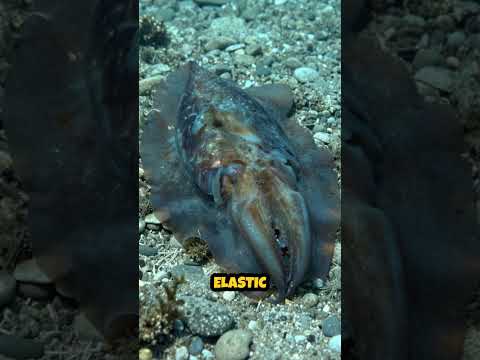
Cuttlefish: The 20-Millisecond Disguise
Crazy Animals
Make a video like this
A AI slideshow video, written, voiced and rendered by AutoFeed
First video free, no card. A series keeps posting on its own schedule.
At minus four degrees Fahrenheit, a wood frog can spend weeks frozen with its heart stopped, but one chemical keeps its cells alive. In Alaska, wood frogs spend winter tucked beneath leaf litter, where the cold can penetrate their bodies instead of merely chilling their skin. First, ice forms in spaces around the cells, pulling water out of them. That sounds fatal enough: as more water leaves, the cells shrink, and their contents become dangerously concentrated. Then the frog stops breathing, and its heart stops beating. Blood no longer delivers oxygen through its body, yet the frozen frog can still revive when spring brings a thaw. In an Alaskan field study, frogs survived body temperatures as low as minus four degrees Fahrenheit and remained frozen for months. The mystery is how their cells withstand that long freeze without being destroyed. The answer comes from the frog's liver: when freezing begins, it rapidly converts stored glycogen into glucose, flooding the frog's tissues with sugar that helps protect cells as ice forms around them.
Wood frogs survive winter with ice inside their bodies and their hearts stopped. Their remarkable freeze tolerance depends on a protective surge of glucose.
#woodfrog#frogs#freezetolerance#animaladaptations#wildlife
Cuttlefish: The 20-Millisecond Disguise
Crazy Animals

Mimic Octopus: Master of Eight Disguises
Crazy Animals

Vampire Bat: The 0.001°C Blood Finder
Crazy Animals

Pangolin: The Unbreakable Curl
Crazy Animals

Satin Bowerbird: The Collector of Blue
Crazy Animals

Narwhal: The Tusk That Listens Under Ice
Crazy Animals

The 48-Hour Vigil: Elephants at Amboseli
Crazy Animals

Babirusa: The Self-Stabbing Pig of Sulawesi
Crazy Animals