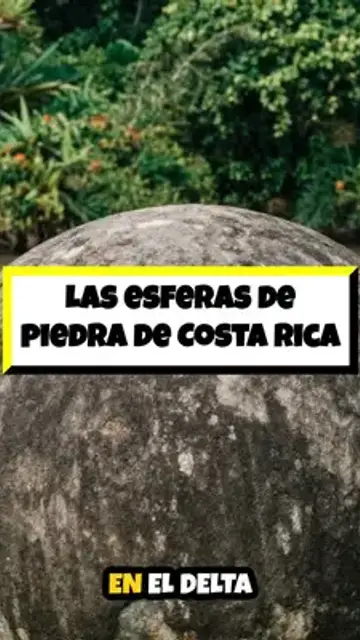
Las esferas de piedra de Costa Rica
AI slideshow
Make a video like this
A AI slideshow video, written, voiced and rendered by AutoFeed
First video free, no card. A series keeps posting on its own schedule.
In 1610, Galileo spotted four moons near Jupiter with a telescope, but that same tool would struggle with a drop of pond water. The reason comes down to how far away the target is. A microscope looks at tiny things close up. Its lens sits near the sample and makes a larger image, so details can be seen. A telescope collects light from faraway objects and makes them appear larger or brighter. Both can use lenses, but their lenses are arranged for different jobs. Put pond water under a microscope and you might see tiny living things. Point a telescope at Jupiter and you can see its moons. Think micro for small and telescope for far. Galileo needed a telescope because Jupiter’s four bright moons are hundreds of millions of miles away.
Microscope vs telescope: learn how these optical tools reveal tiny nearby objects and distant celestial objects. See how their lenses collect and focus light differently.
#Microscope#Telescope#Optics#ScienceExplained#Astronomy
Las esferas de piedra de Costa Rica
AI slideshow
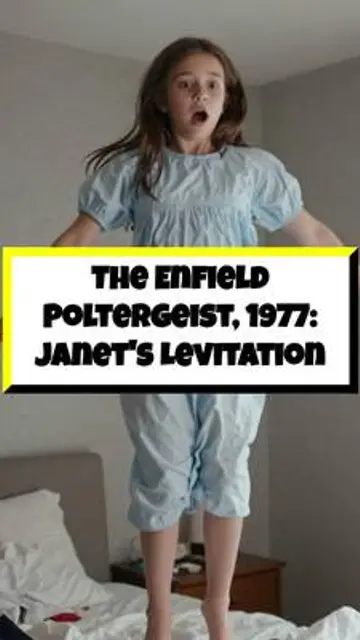
The Enfield Poltergeist, 1977: Janet's Levitation
Scary Stories

The Bain 2004 One-Sheet Matrix: Sharper Decisions
Productivity Hacks

The Wendigo Cave Scream Recordings, Ontario 1992
Scary Stories

The Dyatlov Pass Incident: Ural Mountains, 1959
Scary Stories

The Winchester Mansion's Door to Nowhere
Scary Stories

The Unexplained Faces at Bélmez: Spain, 1971
Scary Stories
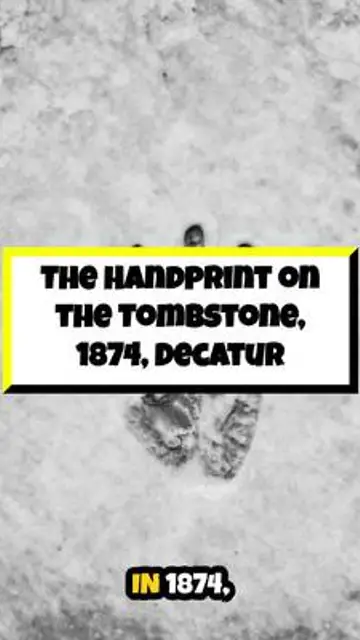
The Handprint on the Tombstone, 1874, Decatur
Scary Stories