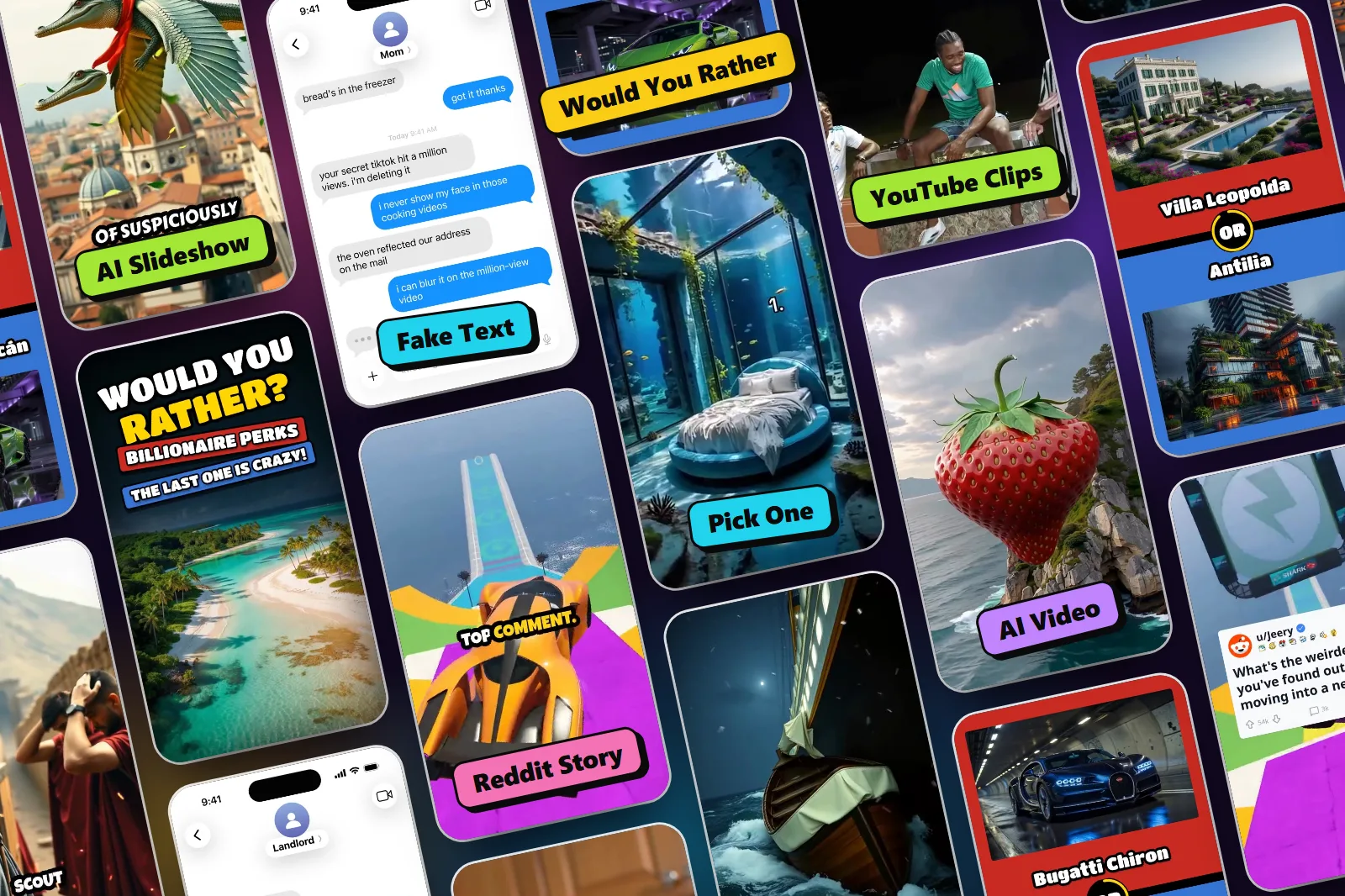
A New Era in AI Video: Veo 3’s Launch
Released May 20, 2025, Veo 3 is Google DeepMind’s third-generation text-to-video model (after Veo 2024 and Veo 2 Dec 2024). Unlike its predecessors, Veo 3 generates video and audio together-from dialogue and sound effects to ambient noise-all perfectly synchronized. AutoFeed.ai offers its successor, Veo 3.1, so you can add sound-synced clips to your faceless video workflows.
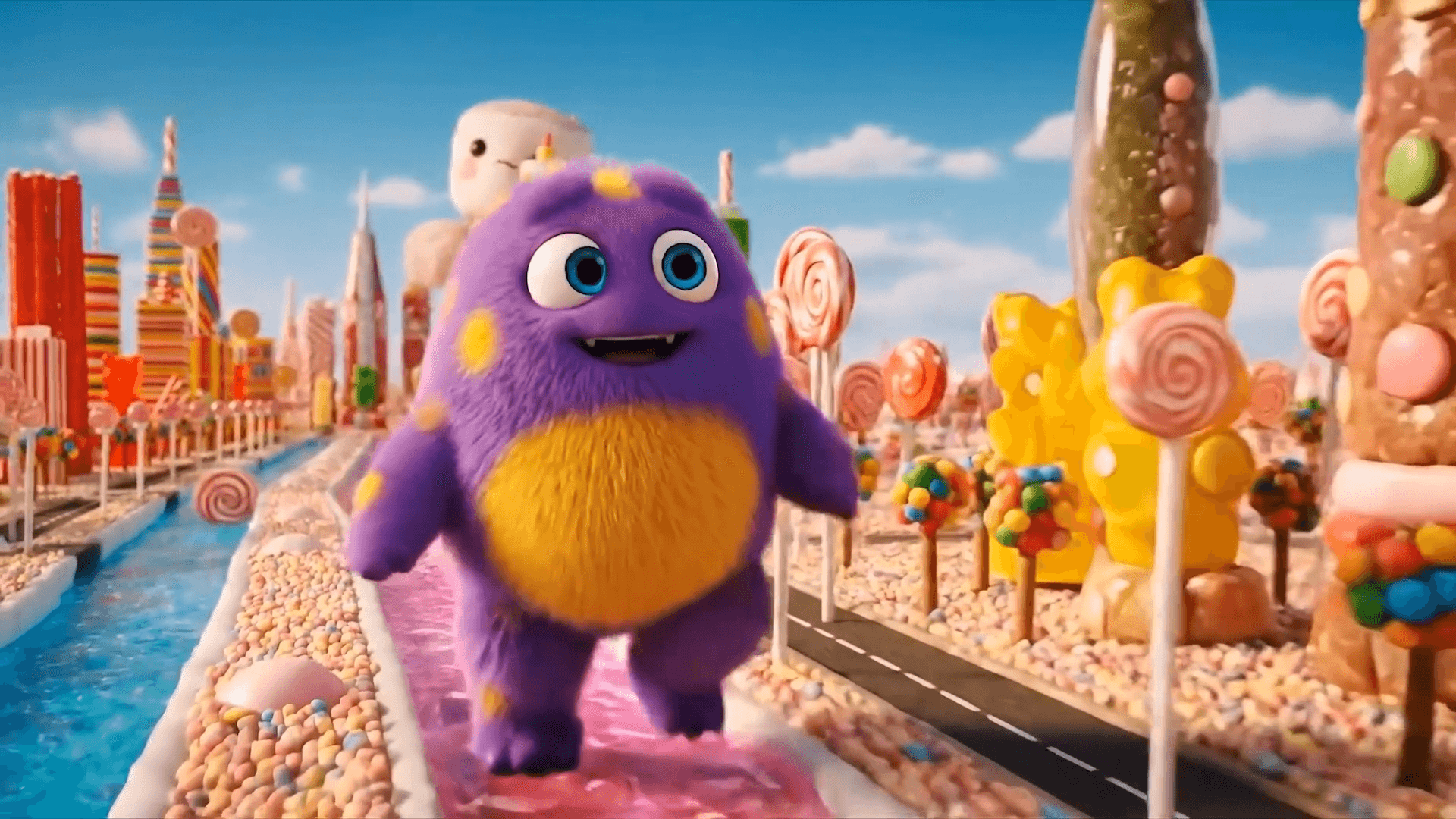
Key Capabilities
Video + audio in one pass: Create ~8-second cinematic clips at 24 fps with lifelike motion, synchronized speech, effects, and ambient sounds.
Physics realism & lip-sync: Delivers convincing real-world physics and accurate lip-sync using multimodal DeepMind architectures.
Prompt fidelity: High adherence to text or image prompts yields consistent, coherent outputs.
High-quality output: 720p and 1080p clips with audio.
How to Use Veo 3.1 on AutoFeed.ai
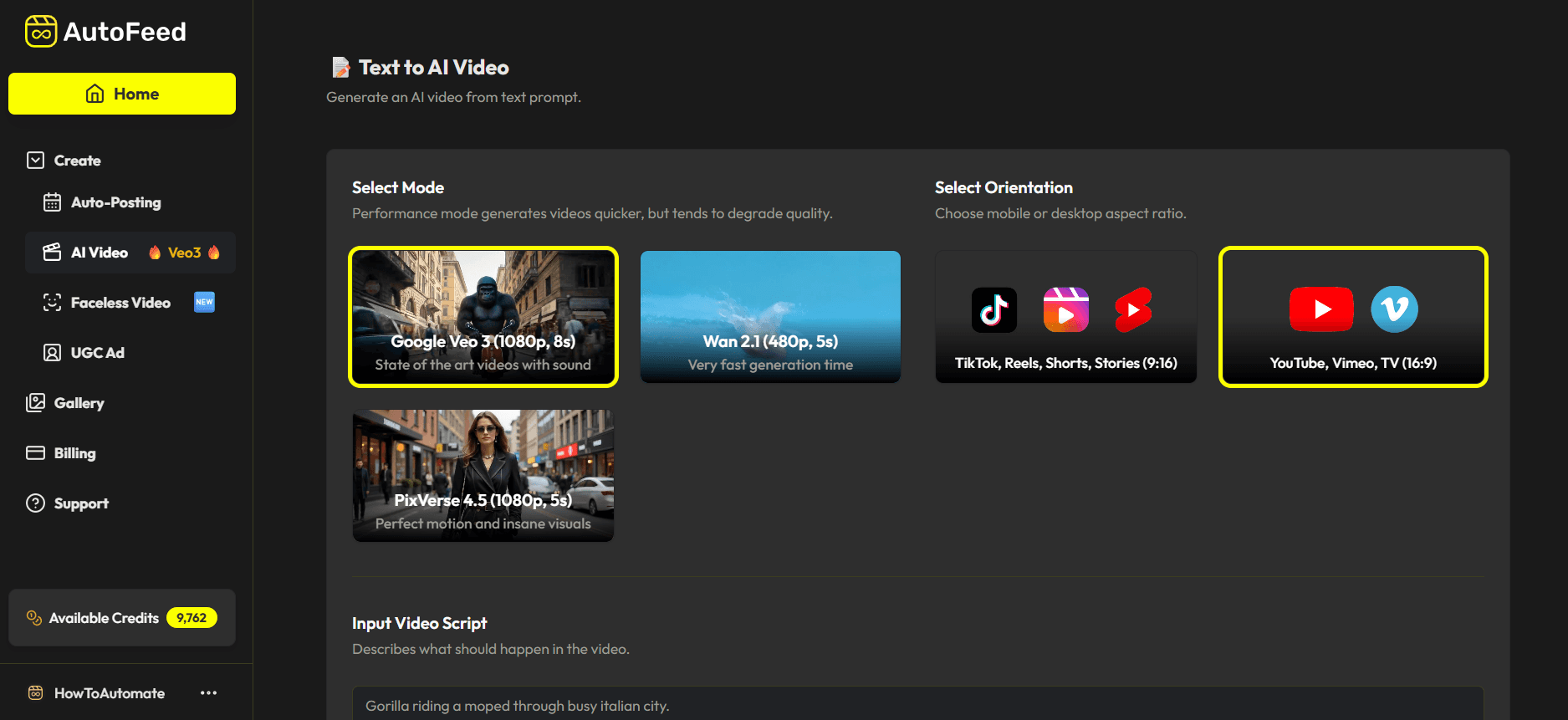
AutoFeed.ai offers Veo 3.1 (and its Fast and Lite versions) in the AI Video editor. Each clip is priced in credits by length and resolution, on any plan.
Bring your text scripts to life by going into Home Dashboard -> Create AI Video -> Text to AI Video -> Google Veo 3.1.
Input your desired prompt (be descriptive!), select video format and hit "Generate AI Video".
Ecosystem & Integrations
Canva: its “Create a Video Clip” feature runs on Veo 3, turning text prompts into clips with sound.
YouTube Shorts: Google announced in 2025 that Veo 3 would come to Shorts creators.
Industry Impact & Considerations
Milestone in AI: Praised as “the end of the silent film era” by AI researchers, Veo 3 democratizes audiovisual production.
Ethical guardrails: Built-in content filters block political/violent deepfakes, though misinformation and misuse remain concerns.
Limitations: Clip length capped (~8 sec), occasional audio misalignments with vague prompts, and repetitive output patterns if overused.
Why It Matters
Veo 3 marks a turning point-the first mainstream AI to seamlessly merge visuals and audio. With Veo 3.1 on AutoFeed.ai, creators of any skill level can produce professional, sound-synced clips for faceless videos, UGC ads, and automated social posting, all without touching a camera or microphone.
TL;DR
Veo 3 (May 2025) is DeepMind’s flagship text-to-video+audio model. It generates synchronized cinematic clips, powers Google’s Flow and Canva’s video clips, and heralds the era of audiovisual AI, despite short clip lengths and minor alignment quirks. On AutoFeed.ai you can use its successor, Veo 3.1.
AI Videos
AI Videos
Plans from $19/mo · cancel anytime