Introduction to AI Video Models
In 2025, AI video generation is revolutionizing faceless videos, UGC ads, and automated content pipelines. In mid-2025, three models led the field for creators: Wan 2.1, PixVerse 4.5, and Google Veo 3. They could generate everything from Reddit story narrations to animated UGC campaigns and schedule daily auto-posting across your social channels.
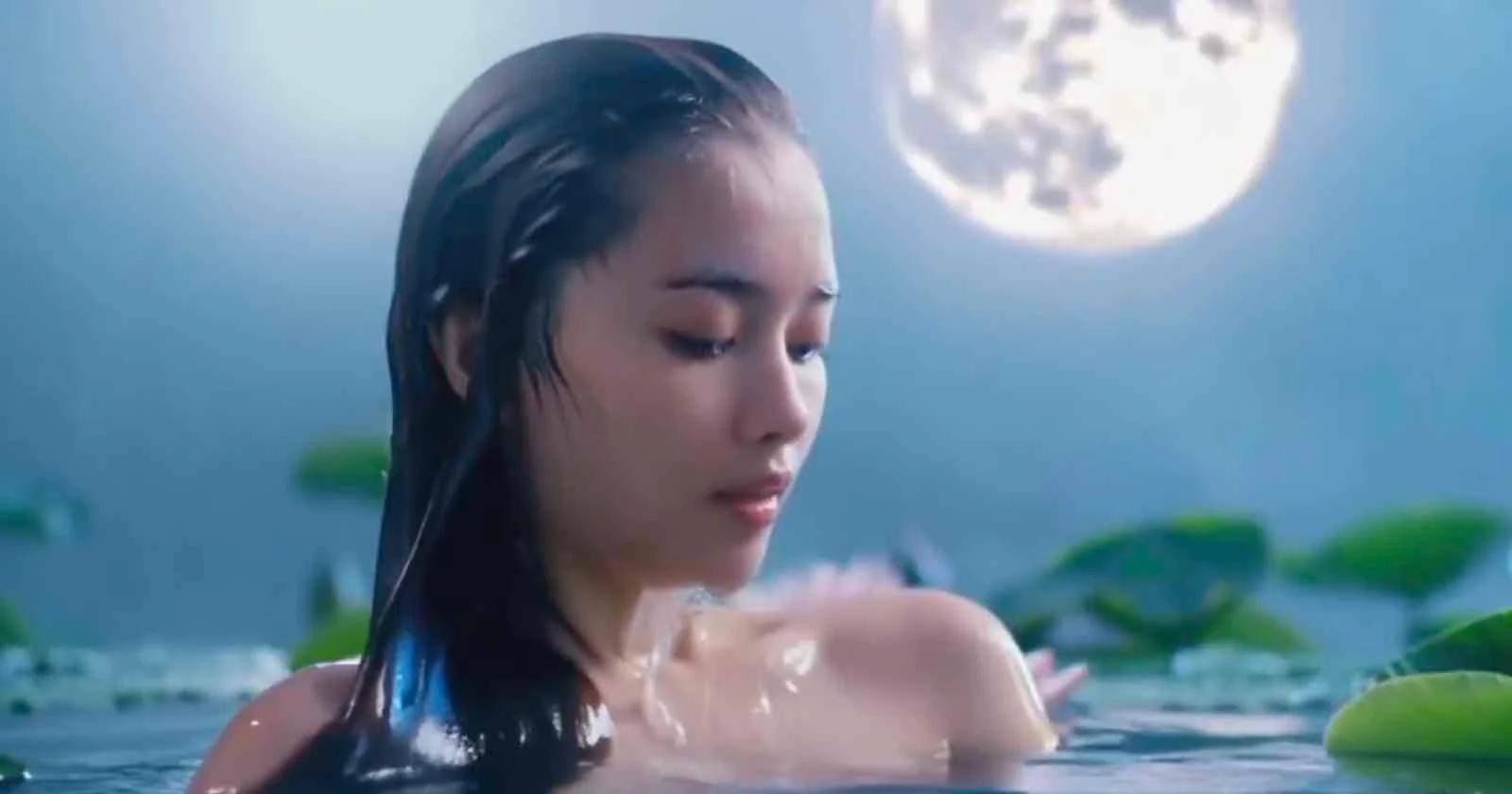
Wan 2.1: Realistic Motion & Upscaling
Wan 2.1, a video generation model, excels in realistic motion and supports text-to-video, image-to-video, video editing, text-to-image, and video-to-audio. It also offers frame-window and sliding-window upscaling to prevent flicker and ensure consistency during transitions.
Pros:
- High-quality video generation: Outperforms many open-source and commercial models on benchmarks.
- Versatile tasks: Text-to-video, image-to-video, video editing, text-to-image, video-to-audio.
- Realistic motion handling: Uses VAE and DiT technologies for natural movement.
- Frame window based upscaling: Prevents flicker during chunked processing.
- Sliding window upscaling: Ensures smooth transitions between segments.
Cons:
- Detailed prompt dependency: Requires very specific prompts to avoid flat results.
- Potential for initial flatness: Without careful prompt engineering, outputs may lack dynamism.
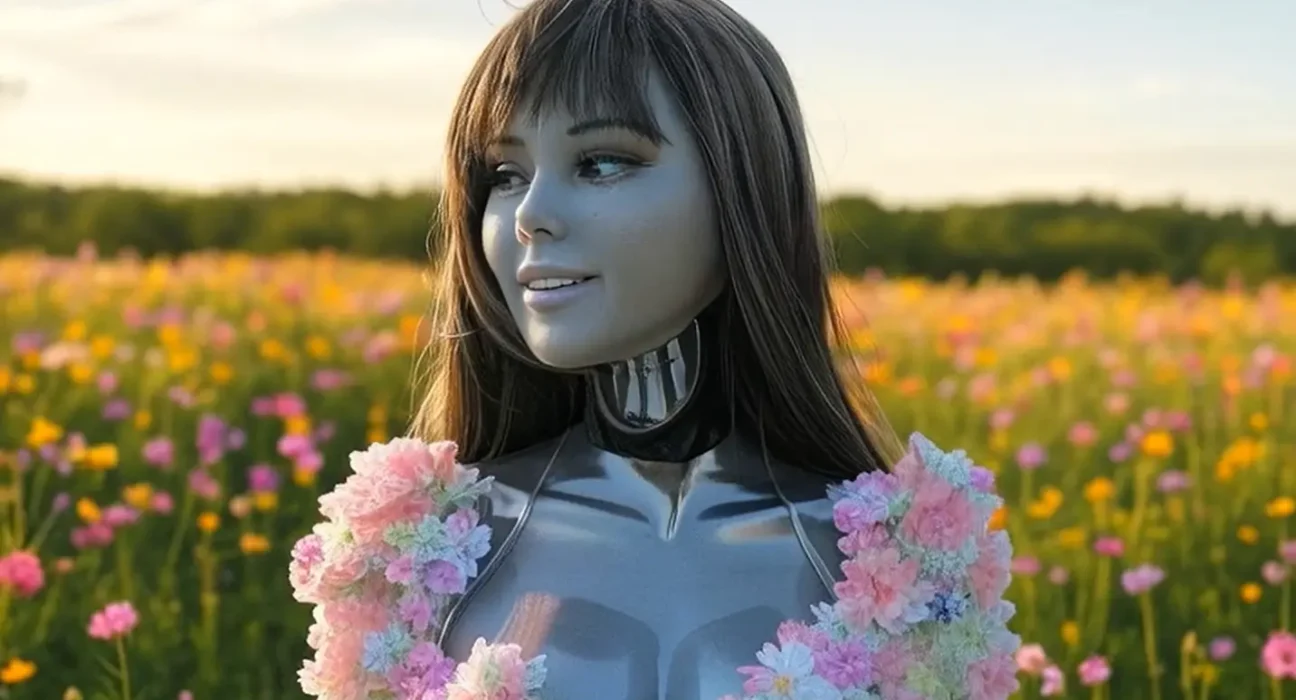
PixVerse 4.5: Speed & Cinematic Quality
PixVerse 4.5 is known for rapid text-to-video, image-to-video, and character-based generation, delivering high-resolution, cinematic outputs with emotional gestures. Its intuitive interface and flexible pricing (including a free trial) make it ideal for creators of all levels.
Pros:
- Speed and efficiency: Quickly generates videos from text or images.
- High-quality output: Improved resolution, detail, and cinematic feel.
- User-friendly interface: Easy for beginners to experiment.
- Affordable pricing: Tiered plans with a free trial.
- Regular updates: New models, styles, and creative features.
- AI-powered tools: Control camera motion and cinematic effects.
Cons:
- Limited video length: Maximum clip duration may be restricted.
- Occasional glitches: Rare errors during generation.
- Learning curve: Advanced features require experimentation.
- Potential for mistakes: Credits may be consumed on unsatisfactory renders.
- Internet dependency: Requires stable connection for processing.
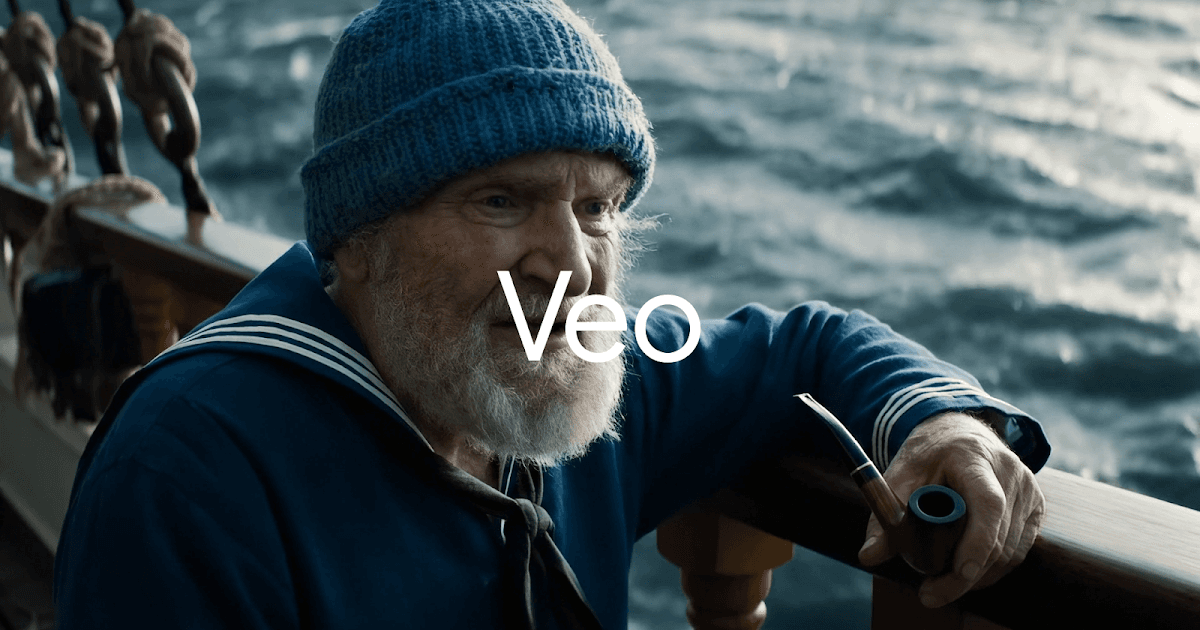
Google Veo 3: Multimodal Cinematic AI
Google Veo 3, unveiled at Google I/O 2025 by DeepMind, transforms prompts like “A samurai walks through a misty forest at dawn” into fully produced video+audio clips. It supports text, image, and optional audio inputs, outputs 720p-1080p at 24fps, and natively integrates dialogue, ambient sound, and stylistic controls (anime, noir, documentary).
Key Highlights:
- Multimodal generation: Video and audio in one pass.
- End-to-end audio synthesis: Dialogue, music, and effects.
- Prompt flexibility: Text, image, or audio-driven inputs.
- Style control: Choose cinematic, anime, noir, and more.
- Cloud scalability: Handles batches for scheduled auto-posting.
Why AutoFeed.ai?
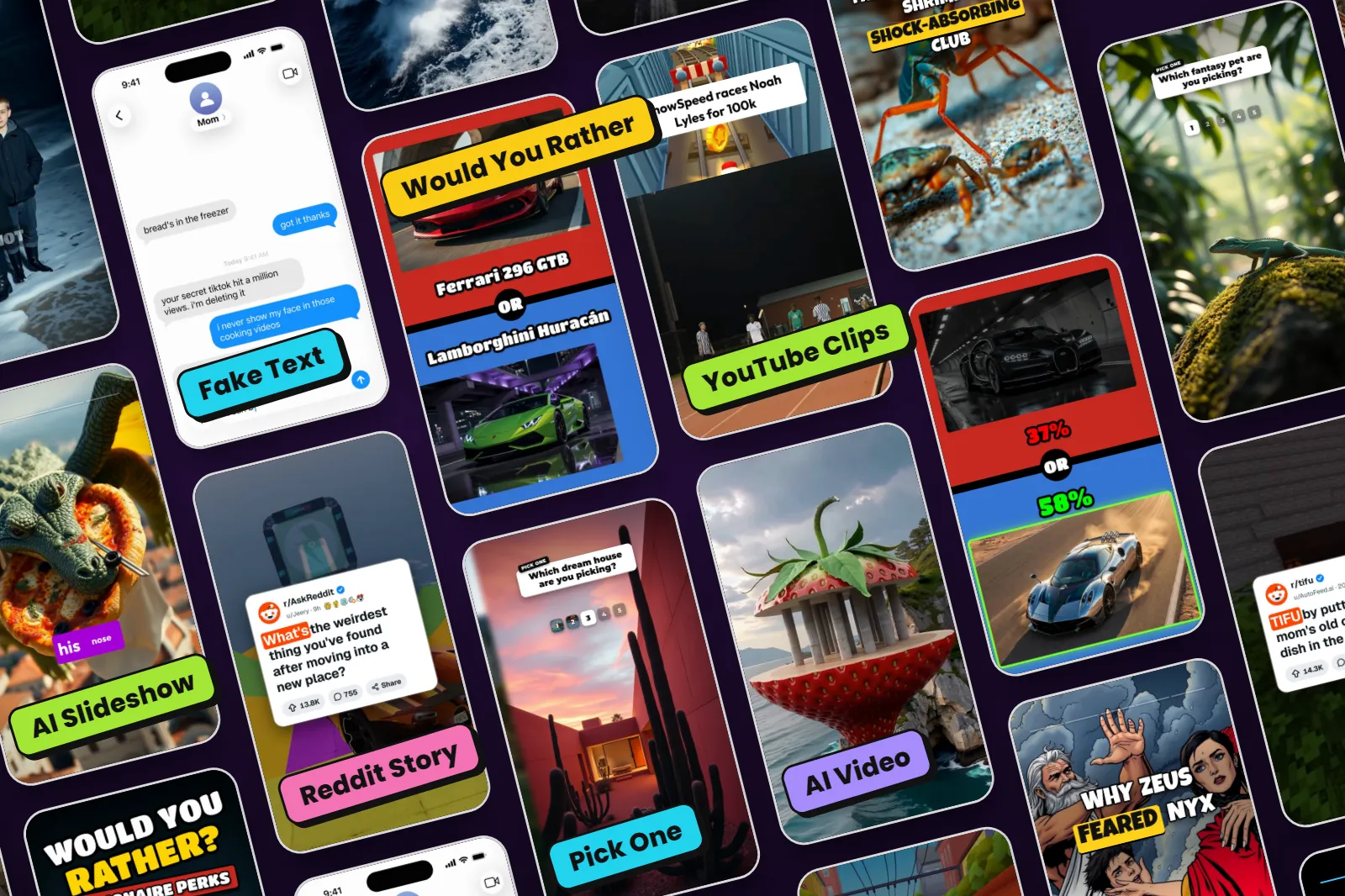
AutoFeed.ai offered all three when this post was written and now offers their successors (Veo 3.1, Wan 2.2 and 3.0, PixVerse v5 and v6) alongside Kling, Seedance, Hailuo and more. Select the best model for your project, fine-tune your prompt, then post the result to YouTube or TikTok, or let an AI Video series do it on a schedule.
Get Started with AI Videos Today
Ready to try them? Compare every AI video model on AutoFeed, from Wan’s realistic motion to PixVerse’s speed and Veo 3.1’s sound. Create faceless videos, UGC ads, and schedule daily uploads, all without leaving AutoFeed.ai.
AI Videos
AI Videos
Plans from $19/mo · cancel anytime