Tutorial Faceless Video Generator
One concrete skill per video, taught step by step to a single clear outcome — how to tie a bowline that never jams. Opened on why the skill is worth 30 seconds, then the exact steps in order. No overview, no "intro to" filler.
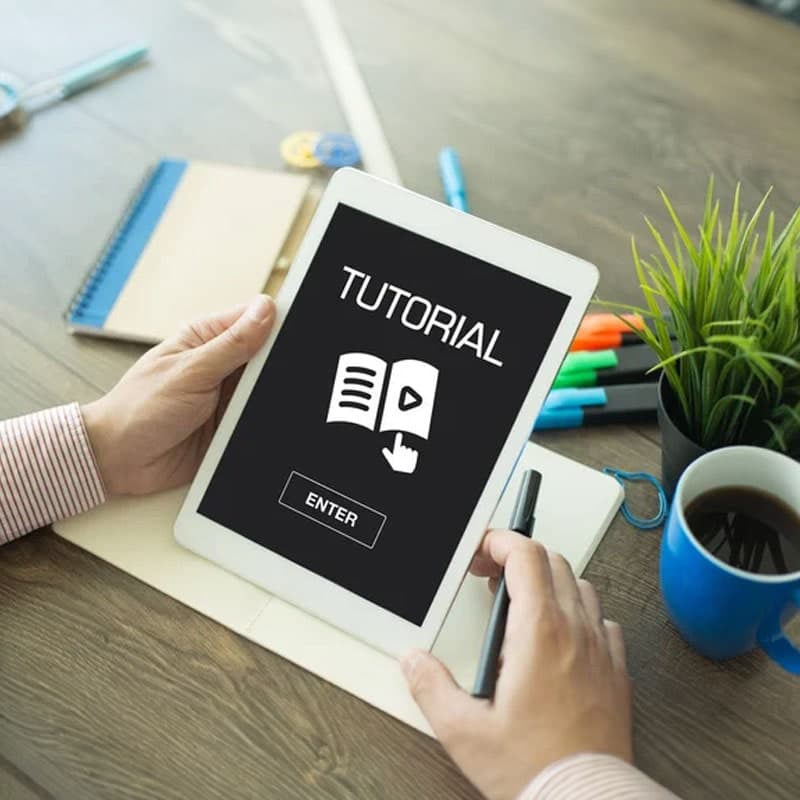
Why Tutorials Works As A Faceless Channel
How-to is the category people search for rather than scroll into, which gives it a second life every video in a feed never gets: a tutorial on tying a bowline gets found by someone who needs to tie a bowline, six months after it was posted. Both YouTube and TikTok have become search engines for exactly this.
The failure mode is the overview — "an introduction to knots" — which teaches nothing and ranks for nothing. The preset is written for one skill, the exact steps in order, and one clear outcome.
What The Tutorials Preset Tells The Writer
Every category tile in the editor carries a brief the script writer is held to. This is the Tutorials brief, paraphrased from the shipped prompt.
One concrete skill per video, taught step by step to a single clear outcome.
Open on why the skill is worth 30 seconds, then the exact steps in order.
One skill per video, specific and doable.
No overview or "intro to" filler.
Recommended Settings For Tutorials
Each of these is a real option in the editor. Change any of them; these are the starting point that suits the niche.
- Art style
- Realistic
- Hands, tools, materials. The viewer needs to recognise what they are looking at.
- Caption style
- Classic 2 or YouTuber
- Steps have to be readable in order. Clean faces.
- Voice filter
- Narration or Conversational
- Clear and patient. Instruction, not entertainment.
- Background music
- None or Calm Viral
- Steps need attention. None is a fine choice here.
- Duration target
- 45 to 60 seconds (1,200 credits)
- Most skills need four to six steps, and each one needs a sentence. 15-30 is only enough for the very simplest.
Opening Lines In This Niche
The brief forbids opening with a question or addressing the viewer. A Tutorials script starts inside a concrete detail, like these. They show the shape; every render writes its own.
- A bowline is the one knot that will not slip under load and will still untie by hand afterwards, and it takes four moves.
- The right way to sharpen a kitchen knife on a whetstone is a 15 to 20 degree angle, and most people hold it at 45.
- A shirt folds in two seconds with the pinch-and-flip method retail workers use, and the trick is where you pinch first.
- A bike chain that skips under load usually needs one turn of the barrel adjuster, not a new derailleur.
- CPR on an adult is 30 compressions at about 100 to 120 a minute, roughly the tempo of Stayin’ Alive, then two breaths.
- A room is painted edges first with a brush, then filled with a roller in a W pattern, and the order is the difference between streaks and none.
How A Tutorials Series Runs
The niche is one tile in the AI slideshow editor. Everything else is the same pipeline every slideshow uses.
- Step 1
Pick the preset
Start a new series, choose AI Slideshow and select the Tutorials tile. The brief above is attached to every script the series writes; you can also add your own instructions on top of it.
- Step 2
Set the look and the voice
Choose an art style, a caption style, a voice from the ElevenLabs picker, background music and particles. The settings above are the ones that suit this niche; all of them can be changed per video or per series.
- Step 3
Schedule it
Connect your accounts, pick the days and the whole-hour slots, and the series writes, narrates, illustrates and publishes a new video at each one. Review each video first, or let it run.
Tutorials Questions, Answered
Can a slideshow really teach a physical skill?
For skills that can be described in ordered steps — knots, folding, settings, sequences — yes: the narration carries the steps and each still illustrates one. For skills that need to be watched in motion, a filmed demonstration is better, and AutoFeed is not a camera. The preset works best for the many skills that are really a short list of steps in the right order.
How is this different from Life Hacks?
A tutorial teaches a skill to an outcome — you can now tie a bowline. A life hack is a single trick with a reason it works — the spoon stops the boil-over. Tutorials tend to want the 45-60 second target; hacks fit in 15-30.
Can a tutorial channel run without me every week?
Yes. Create a series, choose the tutorial preset, pick the days and the whole-hour slots you want, and AutoFeed writes a new script, renders a new video and publishes it to your connected TikTok and YouTube Shorts accounts in your own timezone. Plans cap a series at 3, 7 or 14 posts per week, and every video can be reviewed and edited before it goes out or left fully automatic.
What does one video in this niche cost?
The same as any AI slideshow: 1,000 credits at the 15-30 second target, 1,200 at 45-60 and 1,500 at 60-90, with static images and camera drift. Turning on Animated Images converts every still into a generated clip and prices the video per clip instead — 2,400, 4,800 or 7,200 credits at those three lengths. The niche you pick does not change the price.
Can I write the script myself and only use the preset for the visuals?
Yes. Generate once to see the shape the preset produces, then overwrite the script box — or skip the preset entirely and start from the Custom Series Brief tile with your own text. The narration, the images and the captions are built from whatever is in that box when you render.
Other Niches Worth A Look
Plans run two to five series at once, and channels that pair a niche with a neighbouring one tend to keep the same audience.

Science Simplified
One mechanism, one everyday observation, one measurement. Real science, no hand-waving.

New Technologies
One real technology, one concrete capability or number. Grounded, no hype.

Psychology Facts
One named effect or study, one documented finding. Real psychology, no myths.

Religion & Prayers
One story, figure or prayer from a named tradition, told respectfully and factually.
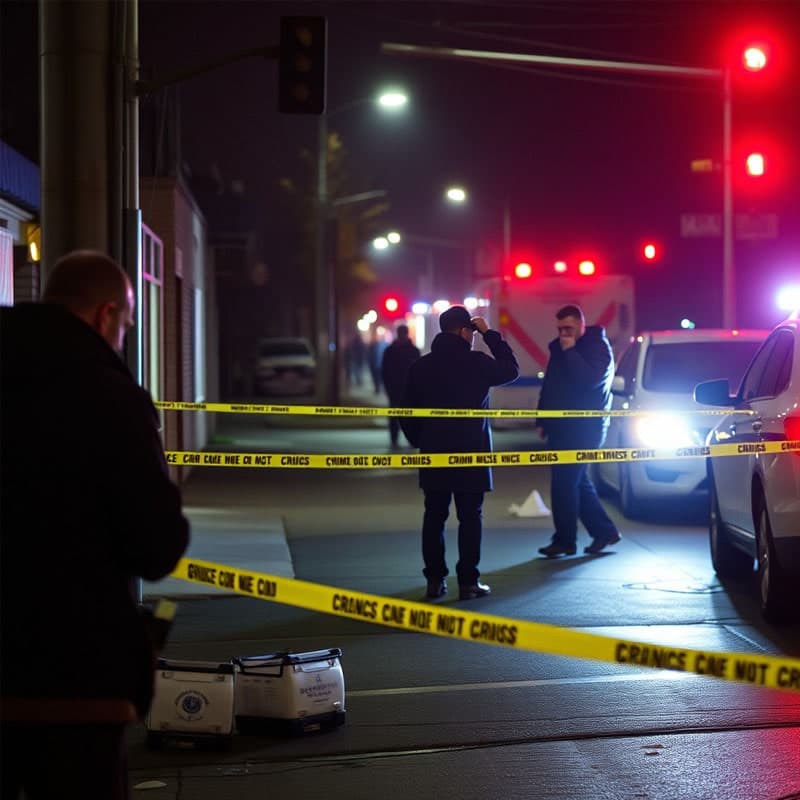
True Crime
Documented, resolved cases told investigation-style — no invented motives, no speculation.
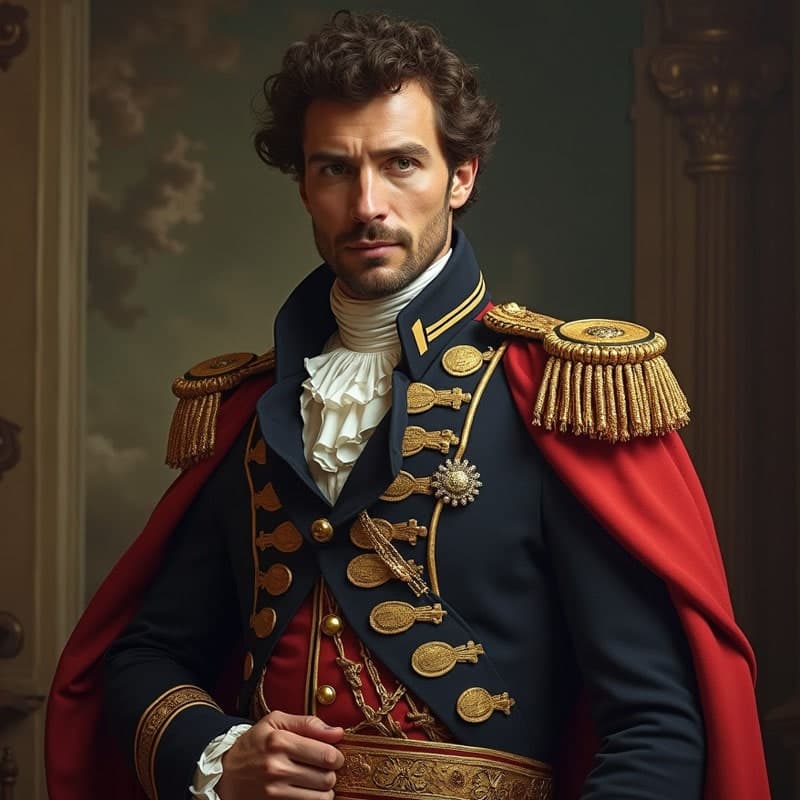
History Facts
Lesser-known, dated events — the secret-from-the-past register, never the textbook.