True Crime Faceless Video Generator
One real, resolved case per video — named, dated, told from the strangest documented detail to the payoff. AutoFeed writes it, narrates it, illustrates it and publishes it on the schedule you set.
Why True Crime Works As A Faceless Channel
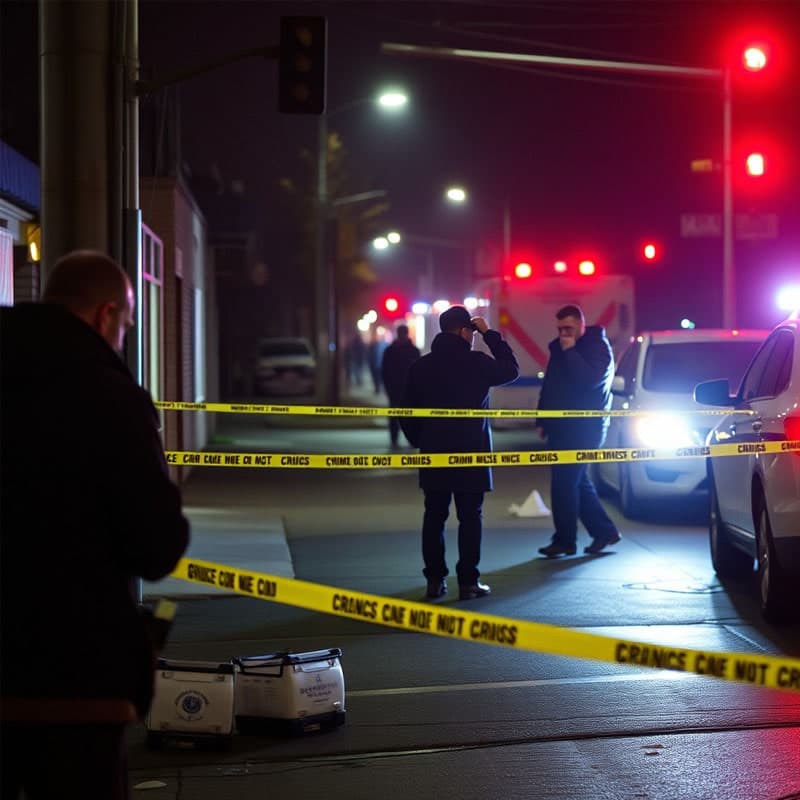
True crime is the most durable narrative niche on short-form because every case arrives with its own structure: a question, a set of facts that do not add up, and an answer. A viewer who hears "the only evidence was a fingerprint on a banana" in the first two seconds has to stay to find out whose. The format rewards exactly the thing a scripted faceless video is good at — withholding the resolution until the last sentence.
It also punishes carelessness harder than any other niche. Audiences know the cases, platforms police claims about real people, and a channel that invents a motive or misstates a date loses trust it cannot buy back. That is why the shipped preset is the strictest brief in the product: resolved cases only, documented facts only, victims treated with respect.
What The True Crime Preset Tells The Writer
Every category tile in the editor carries a brief the script writer is held to. This is the True Crime brief, paraphrased from the shipped prompt.
One specific, real, resolved criminal case per video — named, with a date and a place.
Open on the single strangest documented detail and withhold the resolution until the final sentence.
Documented facts and evidence only: no invented statistics, motives or quotes about real people.
Victims are treated with respect. Serious, tense, investigation-style tone.
The script never ends on "follow for more" — the video ends on the case.
Recommended Settings For True Crime
Each of these is a real option in the editor. Change any of them; these are the starting point that suits the niche.
- Art style
- Realistic
- Case files, streets, evidence tables. A cartoon true-crime video reads as a joke; a painterly one reads as fiction.
- Caption style
- Classic 1 or Classic 2
- The story carries this niche, not the typography. Quiet white or black captions keep the eye on the images. Save Creepy for the paranormal-adjacent cases.
- Voice filter
- Narration or Narrative Story, male or female
- Measured and low. The News filter works for a documentary register; avoid Social Media voices, which read as upbeat.
- Background music
- Mysterious Viral, or None
- A low bed under a serious narration raises tension without competing with it. None is the correct choice when the voice is doing the work.
- Particles
- Dust, or None
- A faint dust layer hides the seam between two generated stills and suits archival imagery. Anything brighter breaks the register.
- Duration target
- 15 to 30 seconds (1,000 credits)
- The default, and where most channels should live. Step up to 45-60 (1,200 credits) once a subject proves it can hold, and to 60-90 (1,500) only if you are chasing TikTok Creator Rewards, which pays on original video over a minute.
Opening Lines In This Niche
The brief forbids opening with a question or addressing the viewer. A True Crime script starts inside a concrete detail, like these. They show the shape; every render writes its own.
- In 1971 a man calling himself Dan Cooper parachuted out of a Boeing 727 over Washington state with $200,000, and only $5,800 of it was ever found — buried on a riverbank nine years later.
- The Antwerp diamond heist of 2003 emptied 123 of 160 vaults, and the crew was caught because one of them threw a half-eaten sandwich into a hedge.
- For more than three decades the Isabella Stewart Gardner Museum in Boston has kept the empty frames of thirteen stolen paintings on the wall, exactly where the thieves left them in March 1990.
- In 1994 the murder of Shirley Duguay on Prince Edward Island was solved by DNA from white cat hairs on a discarded jacket — the first time animal DNA was used to convict in a criminal case.
- Colton Harris-Moore taught himself to fly from manuals, stole five aircraft between 2008 and 2010 without a single lesson, and was arrested in the Bahamas after crash-landing the last one.
- The Great Train Robbery of August 1963 netted £2.6 million, and the gang was caught because they left fingerprints on a Monopoly set at the farm they hid in.
How A True Crime Series Runs
The niche is one tile in the AI slideshow editor. Everything else is the same pipeline every slideshow uses.
- Step 1
Pick the preset
Start a new series, choose AI Slideshow and select the True Crime tile. The brief above is attached to every script the series writes; you can also add your own instructions on top of it.
- Step 2
Set the look and the voice
Choose an art style, a caption style, a voice from the ElevenLabs picker, background music and particles. The settings above are the ones that suit this niche; all of them can be changed per video or per series.
- Step 3
Schedule it
Connect your accounts, pick the days and the whole-hour slots, and the series writes, narrates, illustrates and publishes a new video at each one. Review each video first, or let it run.
True Crime Questions, Answered
Will AutoFeed make up details to make a case more dramatic?
The preset forbids it explicitly. The brief the script writer is held to says documented facts and evidence only, no invented statistics, motives or quotes about real people, and resolved cases only. Nothing generated is guaranteed to be correct, so treat the script box as an editorial desk: every video can be read and corrected before it renders.
Is true crime allowed on TikTok and YouTube Shorts?
Yes, and it is one of the largest narrative categories on both — but both platforms restrict graphic depictions of violence and content that glorifies it, and YouTube can age-restrict or limit ads on videos about violent crime. The preset keeps the register documentary rather than graphic, and the AI images do not depict gore. Read each platform’s current policy before you scale a channel.
Can a true crime channel run without me every week?
Yes. Create a series, choose the true crime preset, pick the days and the whole-hour slots you want, and AutoFeed writes a new script, renders a new video and publishes it to your connected TikTok and YouTube Shorts accounts in your own timezone. Plans cap a series at 3, 7 or 14 posts per week, and every video can be reviewed and edited before it goes out or left fully automatic.
What does one video in this niche cost?
The same as any AI slideshow: 1,000 credits at the 15-30 second target, 1,200 at 45-60 and 1,500 at 60-90, with static images and camera drift. Turning on Animated Images converts every still into a generated clip and prices the video per clip instead — 2,400, 4,800 or 7,200 credits at those three lengths. The niche you pick does not change the price.
Can I write the script myself and only use the preset for the visuals?
Yes. Generate once to see the shape the preset produces, then overwrite the script box — or skip the preset entirely and start from the Custom Series Brief tile with your own text. The narration, the images and the captions are built from whatever is in that box when you render.
Other Niches Worth A Look
Plans run two to five series at once, and channels that pair a niche with a neighbouring one tend to keep the same audience.
History Facts
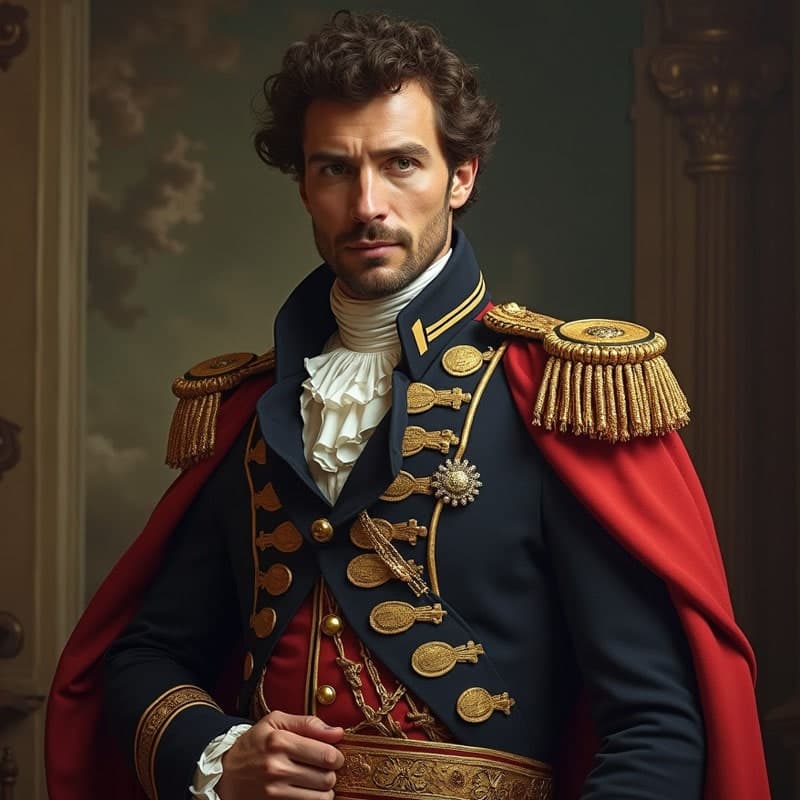
Lesser-known, dated events — the secret-from-the-past register, never the textbook.
Scary Stories
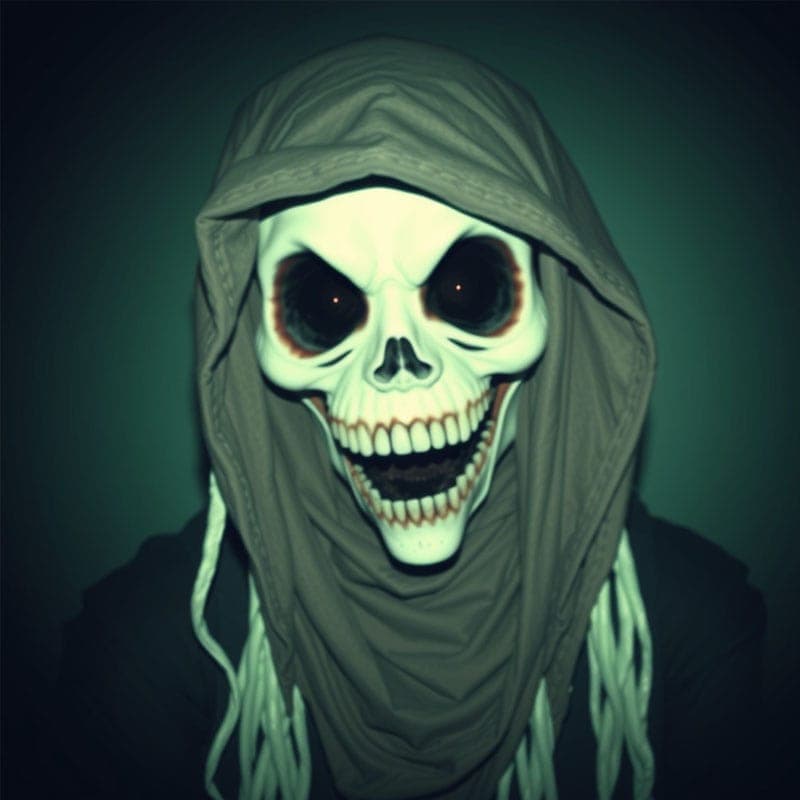
Real-world folklore and unexplained cases over generic ghosts. Dark, tense, specific.
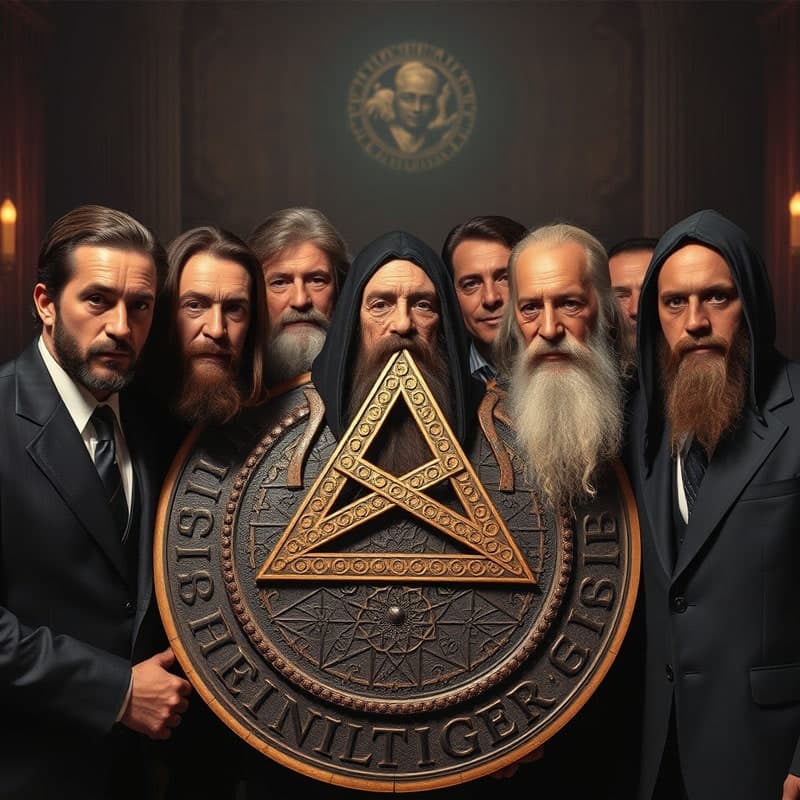
Conspiracy Theories
Documented facts and open questions on a named theory. "Some believe", never "this proves".

Wars & Conflicts
One battle, one decision, one overlooked detail. Cinematic, never a lecture.
Celebrity Facts
One celebrity, one verifiable surprising fact. Upbeat and fast, no invented quotes.

Top 5 Lists
Five entries, one theme, one hard fact each. The countdown is the retention device.